Where the Rhône Runs Out: Notes on the Camargue in May
A Southern French Wilderness
The Rhône draws wine enthusiasts in September, when the vineyards east of here - Châteauneuf, and further upriver Hermitage and Côte-Rôtie - are readying themselves for harvest and the new vintage is the only conversation anyone is having.
But the river does something else before it reaches the sea. South of Avignon it splits in two, slows down, and dissolves into a hundred thousand hectares of salt marsh, rice field, and lagoon. This is the delta. And the delta is at its most generous not in September but in May. This is the Camargue a southern French wilderness.
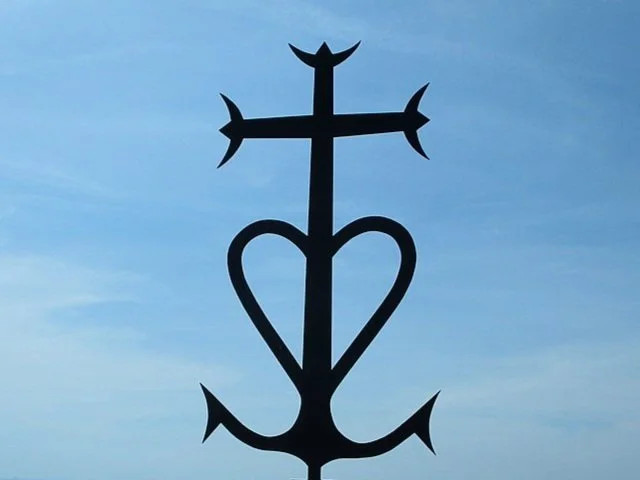
Camargue Cross
There is a particular hour in the Camargue, somewhere between five and six in the morning in mid May, when the light has not yet decided what to do. The étangs are the colour of pewter. The reeds barely move.
Then, quite suddenly, the horizon shifts - pink first, then rose, then something closer to coral
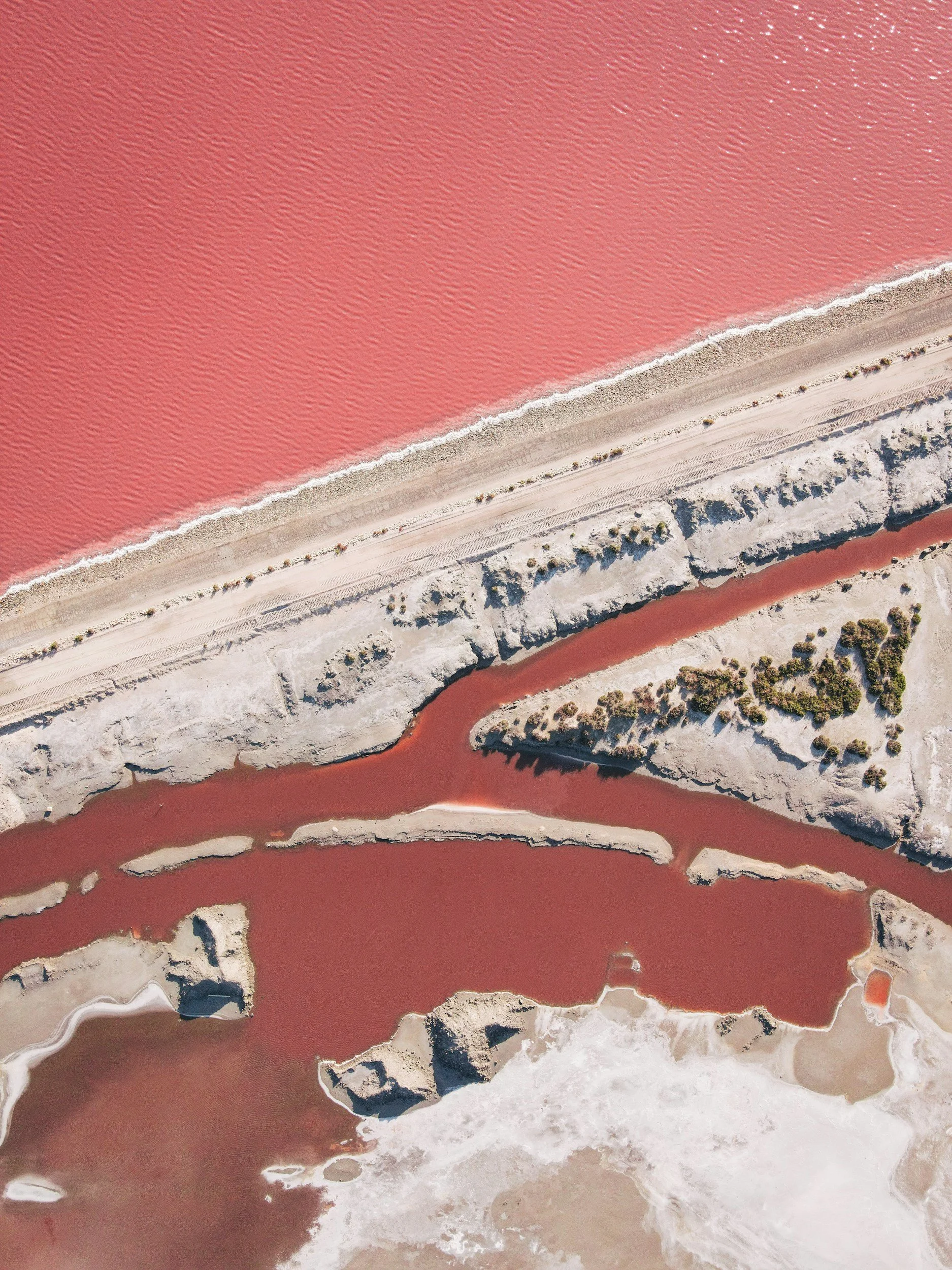
- and the flamingos begin to lift in loose formations, drifting from one lagoon to the next in a slow, pre-breakfast commute.
It is a landscape that asks very little of you, and gives back a great deal if you are willing to be still.
The Camargue is often described in superlatives - Europe's largest river delta, 100,000 hectares of wetland, some 400 bird species - but the scale of it only registers slowly, over several visits. On a first drive south from Arles the land appears almost monotonous: flat, reed fringed, striped with salt pans and rice fields. The spectacle happens at the edges. A heron, motionless. A herd of pale horses grazing behind a wire fence. Black bulls in a field. The flash of a bee eater, if you are lucky.
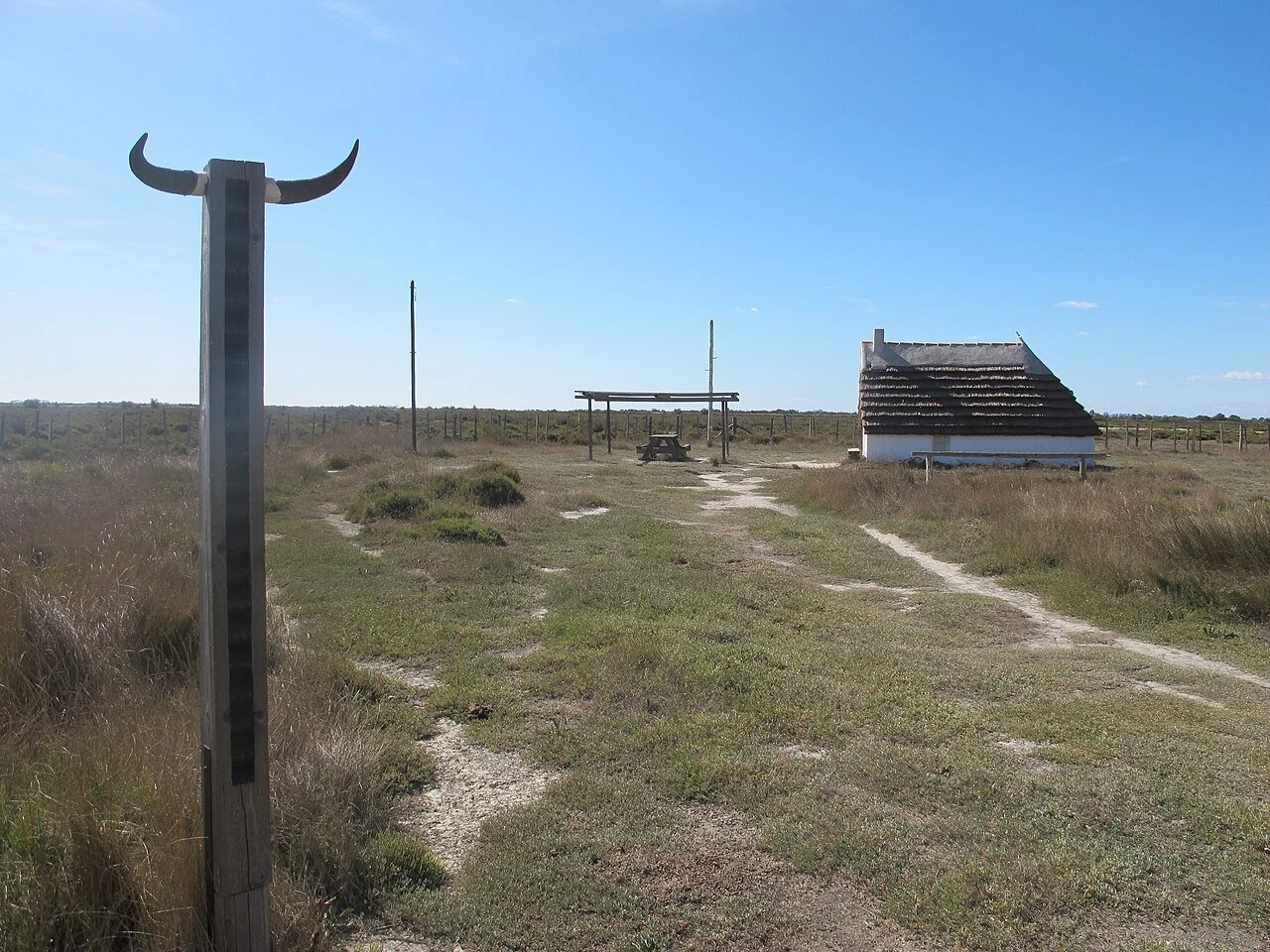
Cabane de gardian PHOTO: ©Florine Vanorlé
The great naturalist photographers understood this early. Hans Silvester - who has photographed the Camargue for more than sixty years and who returns this May as godfather of the 18th Festival de la Camargue - has spoken of the territory as one that must be visited in all weathers and seasons before it begins to reveal itself. His black and white studies of the gardians and their mounts have a quality of patience about them: he waited for the image to come.
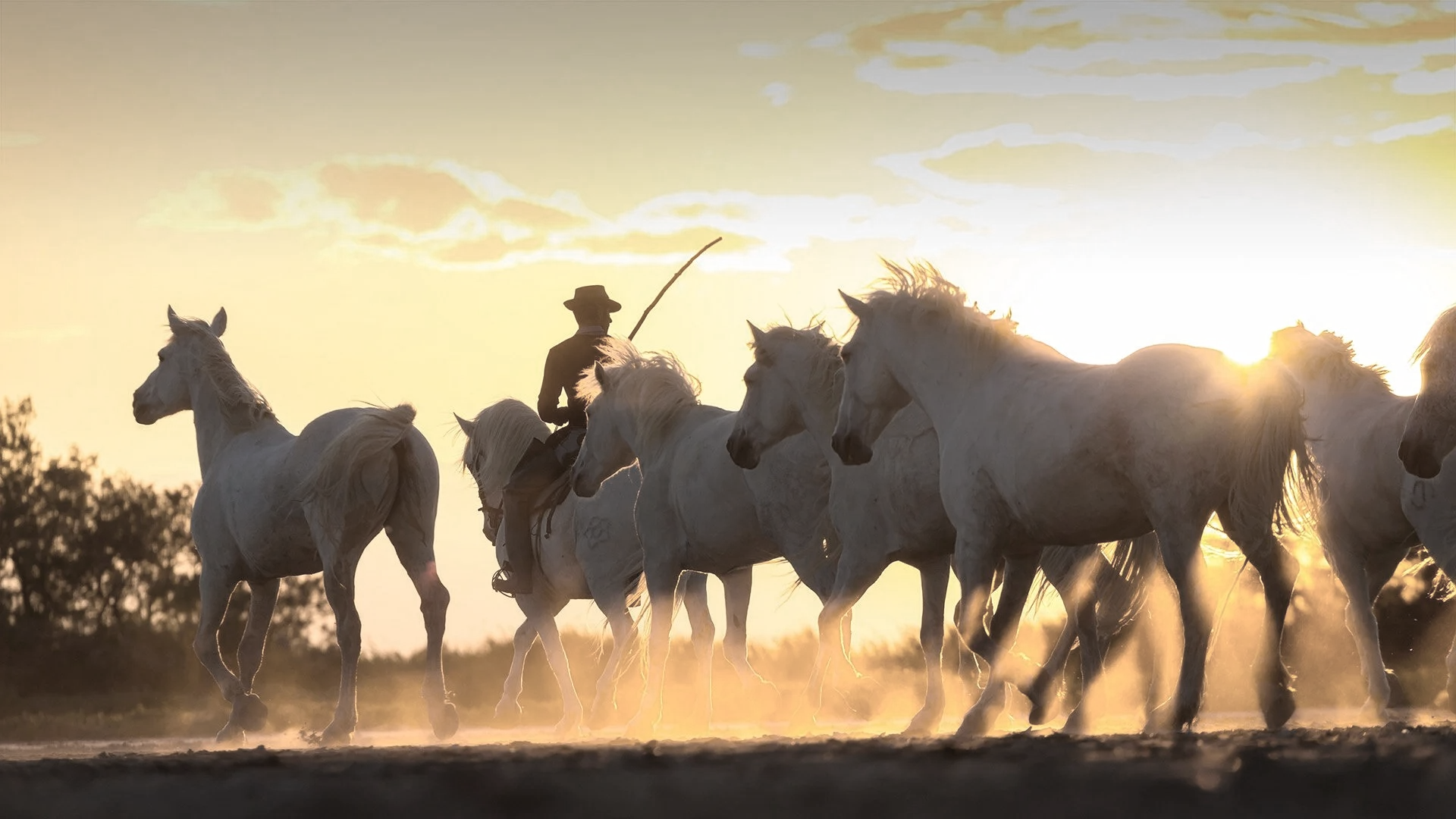
A manade on the move at dawn - the hour Silvester waited for.
May is the month I would recommend to anyone visiting for the first time. The migratory birds have arrived. The mosquitoes have not, in earnest. The rice paddies are being flooded. The horses have foaled. And the festival - five days of guided walks, dawn photography workshops, documentary screenings, scientific conferences - provides a structure for visitors who might otherwise hesitate to venture into a landscape that can feel, at first, illegible.
What surprises people most, I think, is the science. The Parc naturel régional de Camargue is not a theme park or a decorative nature reserve; it is a working research territory. Festival conferences cover Mediterranean pollution, coastal erosion, the ecology of the deltas of the world, the slow return of the otter. You can spend an afternoon on a boat in the Gulf of Fos with researchers who study the seahorses and seagrass beds, or walk the Domaine des Grandes Cabanes Sud - a former private hunting estate of 473 hectares - with an agent of the Office français de la biodiversité.
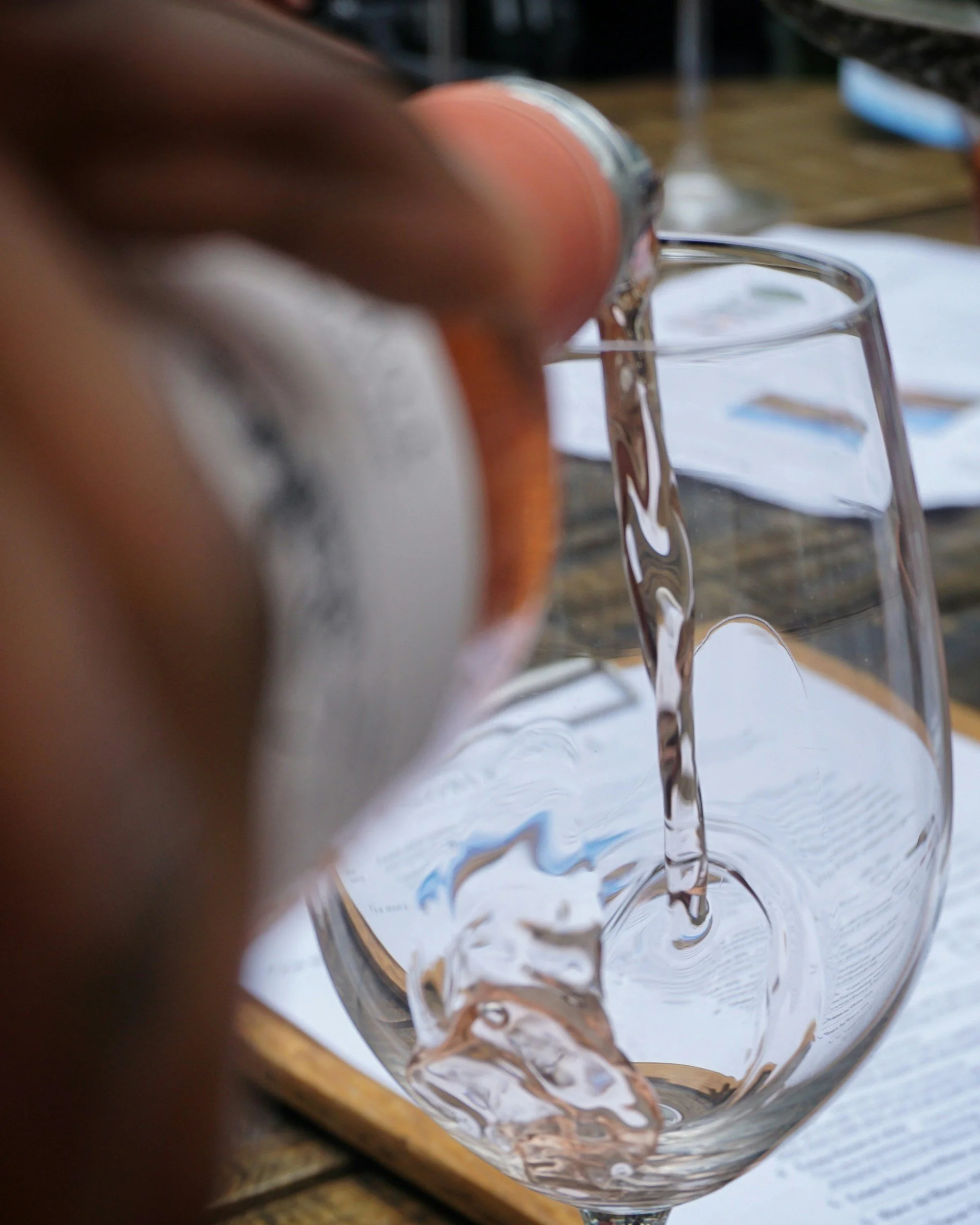
There is also, for those who know to look for it, a quieter terroir at work. Along the coast from Aigues Mortes west toward Sète, three thousand hectares of vines grow in almost pure sand - a metre above sea level, roots reaching down to a thin layer of fresh groundwater held in place by the pressure of the sea beneath. This is Sable de Camargue, granted AOC status in October 2023, making it one of France's newest appellations. The wines it produces are gris and gris de gris - a category of rosé so pale it reads almost silver in the glass, all direct press, no maceration, dominated by Grenache Gris and Grenache Noir. They carry a faint salinity that comes from the ground itself, and a clean, mineral length.
The vineyards are worked, almost without exception, organically or under HVE certification - wind erosion makes herbicide use impossible, and sheep graze the cover crops between rows after harvest.
I like them best drunk on the day, within sight of where they were grown. A glass of Domaine Le Pive or Gris Marin with a plate of tellines - small, sand-coloured clams from the beaches at Beauduc - is one of the honest pleasures of this coast, and a reminder that the great Rhône appellations are not the only wines the river has made possible.
From Euzet-les-Bains or Uzès, the delta is a day trip. Ninety minutes south on the A9 and A54, then out across the flat country east or south of Arles, depending on which venue you are heading for. I like to leave La Flânerie before dawn, be at Pont de Gau by the time the flamingos stir, have lunch in Saintes Maries de la Mer - grilled sea bass at a fisherman's table, a glass of Sable de Camargue with the salt still on your hands - and drive back through the late afternoon, stopping at Aigues Mortes for an apéritif inside the ramparts. By the time you reach Uzès the light has gone pink again. The day folds back on itself.

The Camargue is not a landscape for the restless. Come with a pair of binoculars, a wide-brimmed hat, comfortable walking shoes, and patience.
Eat the tellines when you find them on a menu. Drink the gris. Buy the fleur de sel from one of the salins. And if you can, come during the festival: it is the one week of the year when the territory opens itself fully to visitors, and the one week when you will find naturalists, photographers, chefs, winemakers and scientists all gathered in the same place, with the shared conviction that this delta is worth paying attention to.
Where To Stay
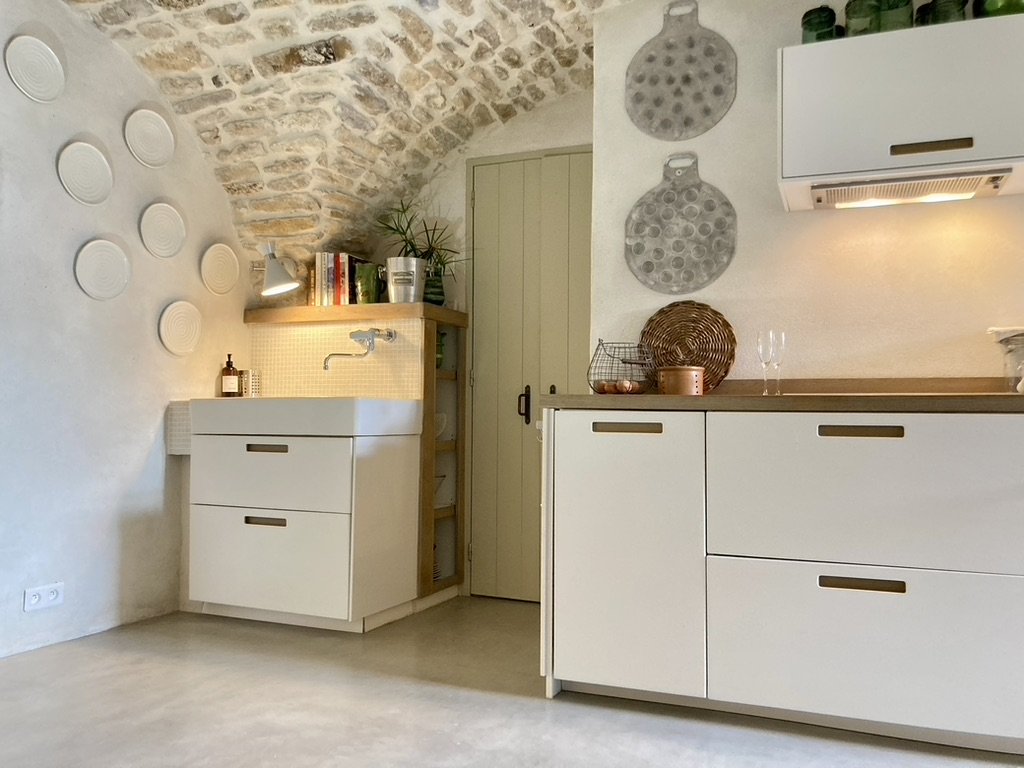
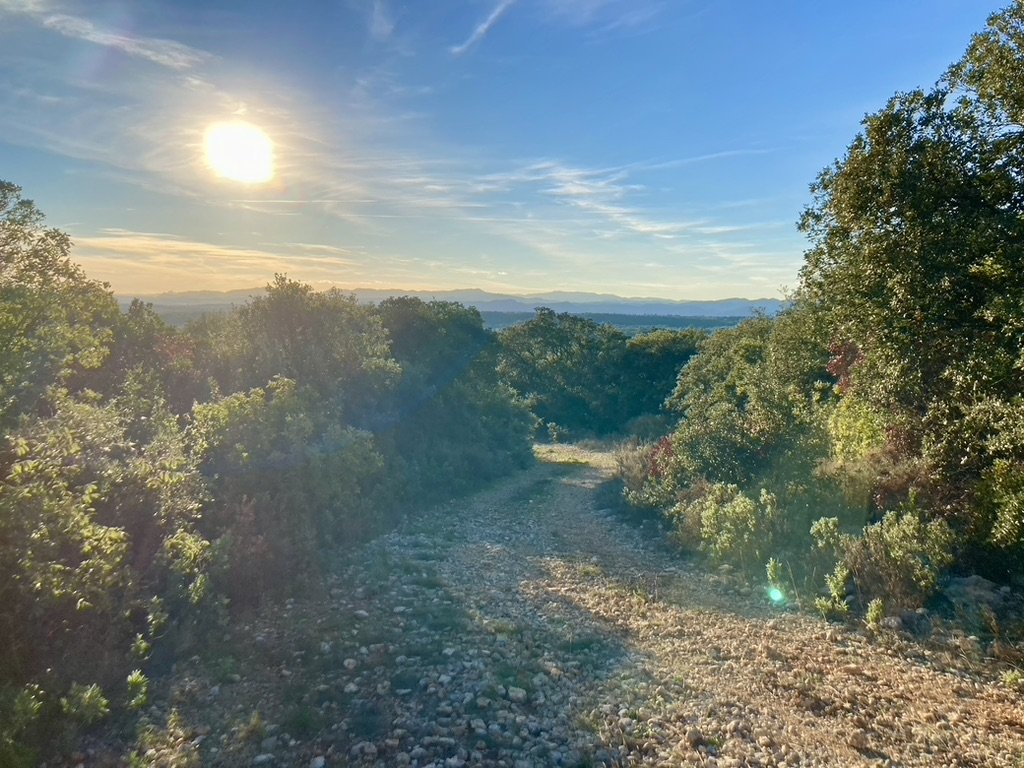
Most festival-goers cluster around Arles or the Saintes. La Flânerie offers a different proposition: a base in the Gard from which the Camargue becomes one of several threads to pull, alongside Uzès, the Pont du Gard, and the Cévennes foothills. Mornings in the delta, evenings back in garrigue country - and, for those who stay the week, time enough to let the two landscapes speak to each other.
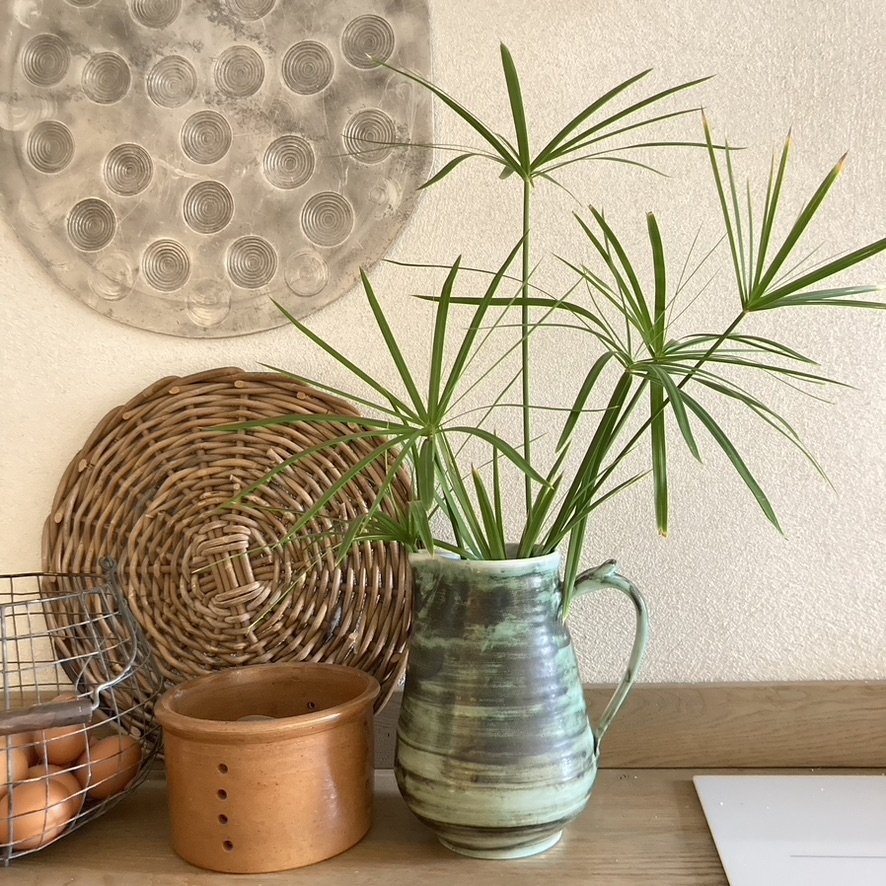
A ground-floor apartment in an 18th-century village house in Euzet-les-Bains, with a sheltered courtyard, and thick limestone walls that keep their cool through the long warmth of a southern May day. Fifteen kilometres from Uzès; ninety minutes south to Port-Saint-Louis or the Saintes.




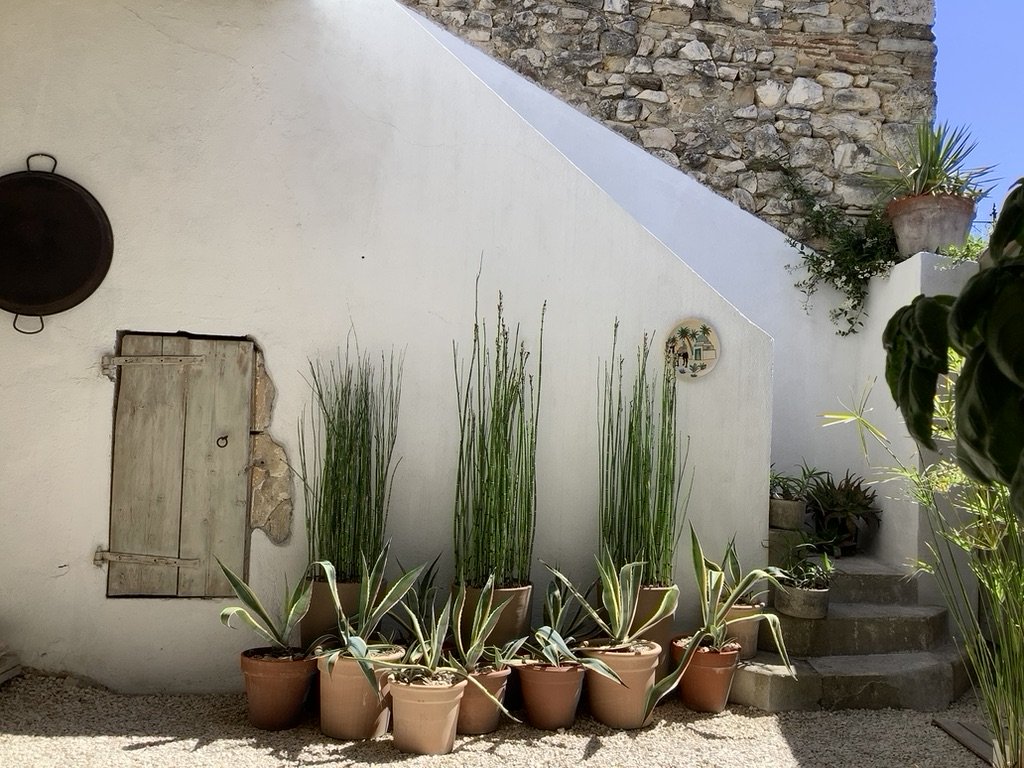
Preferential rates for stays of five nights or more.
3★ Meublé Tourisme Certified
4.8/5★ on Airbnb
Further Reading
Festival de la Camargue et du Delta du Rhône 2026 - programme and bookings for the 18th edition, 13–17 May.
Parc naturel régional de Camargue — conservation projects and the science behind the delta.
Syndicat des Vins Sable de Camargue - the sand-grown appellation in full.
Hans Silvester - six decades of photographic work on the Camargue, with the 2026 festival retrospective.
This insider's guide was crafted by Gaby Martin, proprietor of La Flânerie and long-time advocate for authentic regional experiences around Uzès and southern France.
Last updated: 20 April 2026